
Master the Fundamentals of Balanced Nutrition
Whether you're starting your nutrition journey or refining your eating habits, understanding the core principles of balanced diet will transform how you approach food. Discover the evidence-based foundations that help your body thrive.
Six Pillars of Balanced Eating
A truly balanced diet rests on these core principles. Each element plays a vital role in delivering the nutrition your body needs for energy, growth, and wellness.
Macronutrient Balance
Your body requires carbohydrates for energy, proteins for muscle repair and immunity, and healthy fats for hormone production and nutrient absorption. Proper distribution across meals ensures sustained energy and optimal body function.
- 45-65% of calories from carbohydrates
- 10-35% of calories from protein
- 20-35% of calories from fats
Micronutrient Variety
Vitamins and minerals regulate metabolism, support immunity, strengthen bones, and enable countless enzymatic reactions. Eating a rainbow of foods—different colours indicate different nutrients—ensures comprehensive micronutrient coverage.
- Dark leafy greens for iron and folate
- Orange vegetables for beta-carotene
- Berries for antioxidants
Portion Control
Even the healthiest foods can lead to energy imbalance if portions are excessive. Learning to recognise appropriate serving sizes helps you maintain a healthy weight while still enjoying satisfying, flavour-rich meals.
- Use your hand as a portion guide
- Fill half your plate with vegetables
- Eat mindfully and slowly
Proper Hydration
Water is essential for digestion, nutrient transport, temperature regulation, and joint lubrication. Most adults in the UK benefit from approximately 6-8 glasses of water daily, adjusted for activity level and climate.
- Drink water before feeling thirsty
- Monitor urine colour for hydration status
- Include herbal teas and water-rich foods
Adequate Fibre
Dietary fibre supports digestive health, stabilises blood sugar, promotes satiety, and feeds beneficial gut bacteria. Whole grains, legumes, fruits, and vegetables are excellent sources that should feature in every balanced meal.
- Adults need 30g of fibre daily
- Increase gradually to avoid digestive upset
- Combine soluble and insoluble fibre
Consistent Meal Timing
Eating at regular intervals supports stable energy levels, prevents overeating, and helps regulate appetite hormones. Most people thrive with three main meals and one or two balanced snacks spaced throughout the day.
- Space meals 3-5 hours apart
- Don't skip breakfast to fuel your morning
- Eat smaller meals if needed for digestion
The Foundation: Why Balance Matters
A balanced diet is not about perfection or extreme restriction—it's about nourishing your body with variety and consistency. When you provide your body with adequate amounts of all essential nutrients, you support better energy, improved mental clarity, stronger immunity, and long-term wellness.
Beginners often overthink nutrition, but the fundamentals are straightforward: include protein at each meal, fill your plate with colourful vegetables, choose whole grains, stay hydrated, and listen to your hunger and fullness cues. These habits, built gradually, create sustainable eating patterns that last a lifetime.
The beauty of balanced eating is its flexibility. There's no single "perfect" diet—what matters is finding an approach that includes diverse, nutrient-dense foods you actually enjoy, fits your lifestyle, and helps you feel your best.
Explore Nutrition Basics
Your First Week: 5 Simple Steps
Begin your balanced diet journey with this straightforward approach. Each step builds on the previous, helping you create sustainable habits from day one.
Assess Your Baseline
Track what you currently eat for three days without changing anything. This creates awareness and identifies patterns to adjust.
Build Your Plate
Learn the "plate method"—half vegetables, quarter protein, quarter whole grains. Use this framework for breakfast, lunch, and dinner.
Plan Simple Meals
Choose 2-3 breakfast options, 3-4 lunch ideas, and similar dinners. Repeat them throughout the week to simplify shopping and prep.
Prep Your Ingredients
Wash vegetables, cook grains, and prepare proteins on one day. This removes barriers and makes healthy eating convenient.
Reflect & Adjust
Notice how you feel—energy, digestion, hunger patterns. Make small tweaks based on what works for your unique body.
Pro tip for beginners: Don't try to change everything at once. If you currently drink sugary beverages, start by replacing one with water or herbal tea. If you rarely eat vegetables, add one extra serving this week. Small, consistent changes compound into lasting habits far more effectively than dramatic overhauls.
Beginner-Friendly Meal Prep Ideas
See how easy it is to combine balanced ingredients into simple, satisfying meals. These examples follow the key nutrition principles and require minimal cooking skills.

Protein-Packed Breakfast Bowl
Oats + Greek yoghurt + berries + ground flaxseed. A complete meal with fibre, protein, and antioxidants to fuel your morning.

Balanced Lunch Plate
Grilled chicken + roasted broccoli and carrots + cooked quinoa. A satisfying main course that's easy to meal-prep and reheat.
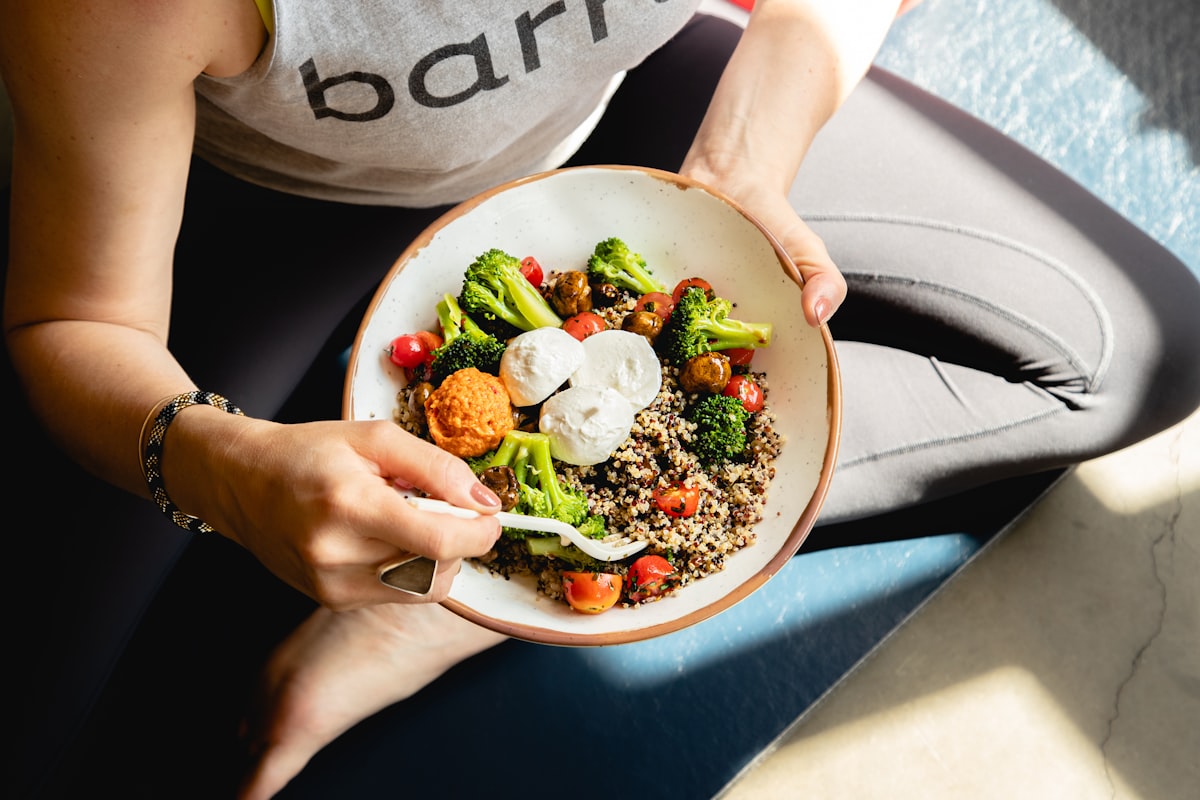
Colourful Stir-Fry
Tofu or lean beef + mixed vegetables + brown rice. A versatile dinner that combines plant and protein foods with whole grains.

Balanced Snack Box
Hummus + vegetable sticks + almonds + cheese. A portable combination of fibre, protein, and healthy fats to keep you satisfied between meals.

Mediterranean Salad
Mixed greens + chickpeas + tomatoes + feta + olive oil dressing. A light meal packed with plant fibre and protein that's refreshing year-round.

Hearty Vegetable Soup
Lentils + mixed vegetables + broth + herbs. A warming, budget-friendly meal that makes multiple servings and freezes beautifully for busy days.
Balanced vs Unbalanced Eating: A Comparison
See how a balanced approach differs from common beginner mistakes, and understand the practical benefits you'll experience.
Typical Unbalanced Eating
Breakfast
Toast with jam + sugary cereal + coffee
⚠ High refined carbs, minimal protein, no vegetables
Lunch
Takeaway burger + chips + sugary drink
⚠ Excess calories, unhealthy fats, no whole grains or vegetables
Dinner
Pasta with creamy sauce + little vegetables
⚠ Refined grains, excess fat, insufficient vegetables and fibre
Snacks
Biscuits, crisps, energy drinks
⚠ No nutritional value, blood sugar spikes
Common results: Energy crashes, poor concentration, cravings, difficulty maintaining healthy weight, digestive issues.
Balanced Eating Pattern
Breakfast
Oats + eggs + berries + herbal tea
✓ Fibre, protein, micronutrients, sustained energy
Lunch
Grilled chicken + brown rice + roasted vegetables
✓ Complete protein, whole grain, vitamins and minerals
Dinner
Baked fish + quinoa + steamed broccoli and carrots
✓ Omega-3s, complex carbs, fibre, nutrient diversity
Snacks
Greek yoghurt, almonds, fresh fruit, vegetable sticks
✓ Protein, healthy fats, natural sugars with fibre
Common results: Stable energy throughout the day, improved focus and mood, reduced cravings, easier weight management, better digestion and sleep quality.
Common Questions About Balanced Eating
Find answers to questions about our nutrition approach and how it can benefit you.
How quickly will I see results?
Most people notice improvements in energy levels and digestion within 1-2 weeks. Weight management and mood changes typically become evident within 4-6 weeks of consistent balanced eating habits.
Is this approach suitable for everyone?
Our balanced nutrition principles work for most people. However, if you have specific health conditions, allergies, or dietary restrictions, we recommend consulting with a healthcare professional before making significant dietary changes.
Do I need to count calories?
Not necessarily. Our approach focuses on whole foods and proper macronutrient balance. Most people find that eating nutrient-dense foods naturally regulates appetite without strict calorie counting.
What about supplements?
While whole foods should be your primary nutrition source, certain supplements can support your health goals—especially if you have specific deficiencies. We recommend quality products and personalized guidance.
Can I eat out while following this approach?
Absolutely! Learning to make balanced choices at restaurants is part of sustainable eating. Look for dishes with lean proteins, vegetables, and healthy fats—most restaurants can accommodate simple requests.
How do I stay consistent long-term?
Success comes from building gradual habits rather than drastic changes. Focus on meal planning, keeping healthy foods accessible, and remembering that occasional indulgences fit into a balanced lifestyle.
Success Stories from Our Community
Real people sharing their transformation journeys.
Sarah M.
Marketing Professional
"I've tried so many diets, but this balanced approach finally stuck. I have more energy than ever, lost significant weight in 3 months, and I don't feel like I'm restricting myself. Life-changing!"
James K.
Fitness Enthusiast
"The guidance on macronutrient balance improved my workout recovery significantly. I'm stronger, leaner, and my gym performance has reached new heights. Highly recommend!"
Emma T.
Parent & Wellness Coach
"Not only did I feel better, but my whole family benefited from the balanced eating principles. Better sleep, improved mood, and we actually enjoy our meals together again!"
Ready to Transform Your Health?
Start your journey toward balanced nutrition and sustainable wellness today. Join thousands of people experiencing better energy, clearer focus, and improved overall health.
No credit card required • Free consultation available
Healthnutritionlab
Empowering you with science-backed nutrition guidance for sustainable health and wellness.
Resources
© 2024 Healthnutritionlab – VAT: GB905 8220 38. All rights reserved. | Empowering Wellness Through Balanced Nutrition